
Our Familial Hypercholesterolaemia (FH) Identification Hub, based at Norfolk and Norwich University Hospitals, has been shortlisted for this year's Picker Experience Network (PEN) Awards, in the category of 'Commissioning for Better Experience of Care'.

The FH Hub was developed through a partnership between East Genomics, Norfolk and Suffolk ICB, Norfolk and Norwich University Hospitals NHS Foundation Trust, primary care leaders, Health Innovation East and patients.
The service aims to make FH identification and testing simpler, fairer and more accessible.
The shortlisting for a PEN26 Award - which drew submissions from across the UK and internationally - recognises the service's innovative approach to identifying people with familial hypercholesterolaemia, an inherited condition that causes dangerously high cholesterol levels and significantly increases the risk of early heart disease if left untreated.
What is FH?
Cardiovascular disease (CVD) is the leading cause of premature death worldwide and remains one of the NHS's greatest opportunities to save lives. Familial Hypercholesterolaemia (FH), one of the most common inherited conditions, causes lifelong exposure to high cholesterol and significantly increases the risk of premature heart attack and stroke.
FH affects around 1 in 250 people in the UK, yet the vast majority remain undiagnosed. The NHS Long Term Plan estimated that only 7% of people with FH know they have the condition. Recent national audit data also suggests FH is rarely identified in younger people, despite early diagnosis and treatment being critical to preventing future cardiovascular disease.
Without treatment, people with FH are up to four times more likely to experience a heart attack or stroke than the general population. However, FH is highly treatable. Early identification and cholesterol-lowering therapy can reduce risk to near-normal levels, making effective case finding a major opportunity for prevention.
In Norfolk and Waveney, an estimated 4,000 people were living with undiagnosed FH, while fewer than 300 had previously been identified. Traditional pathways relied on clinicians recognising potential FH and referring patients for assessment, resulting in variation in diagnosis rates and inequitable access to care.
Impact for patients
To address this, the Norfolk and Waveney FH Identification Hub was established using a population health management approach. Developed in partnership with stakeholders, clinicians and patients, the service uses validated risk-stratification tools to proactively identify people most likely to have FH from primary care records and offer streamlined access to specialist assessment and genomic testing.
The hub helped close to 700 people with high cholesterol in its first 18 months and has achieved a 19% genetic diagnostic yield, substantially higher than conventional pathways, while reducing costs by 42%, enabling more people to be identified and treated.
Our patients are getting faster access to assessment, fewer unnecessary appointments, improved understanding of inherited cardiovascular risk, and convenient specialist support closer to home. Inclusive, multilingual digital tools improve accessibility, reduce pressure on primary care and support earlier diagnosis.
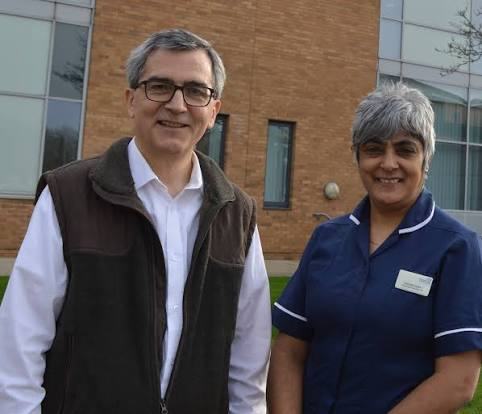
Dr Javier Gomez, Consultant Chemical Pathologist at Norfolk and Norwich University Hospitals who led on the development of the service said: "The shortlisting of the Familial Hypercholesterolaemia Service at NNUH for this patient experience award is a wonderful recognition of our Teamwork and Commitment to deliver a truly patient-centred care".
It reflects the positive impact of early diagnosis of FH, personalised support, and collaborative service delivery in improving outcomes and experiences for individuals and families affected by Familial Hypercholesterolaemia across our region.
Dr Javier Gomez, Consultant Chemical Pathologist, Norfolk and Norwich University Hospitals
PEN Awards 2026
The PEN Awards celebrate excellence and innovation across healthcare, recognising teams that deliver measurable improvements in patient care. The shortlisting highlights the dedication of the Norfolk and Norwich team and its partners in developing a service that is making a tangible difference to patients across the East of England.
The winners of the PEN Awards 2026 will be revealed at a live event on Thursday 1 October at the University of Birmingham.
You can see the full list of finalists on the Picker Experience Network website (opens in a new tab).
Related content