East Genomics

Mobile menu open

Patient and Public Voice (PPV) Panel

Our Patient and Public Voice (PPV) Panel is made up of representatives from across the East of England and East Midlands region. They bring a range of experiences of genetic testing and their own established networks.
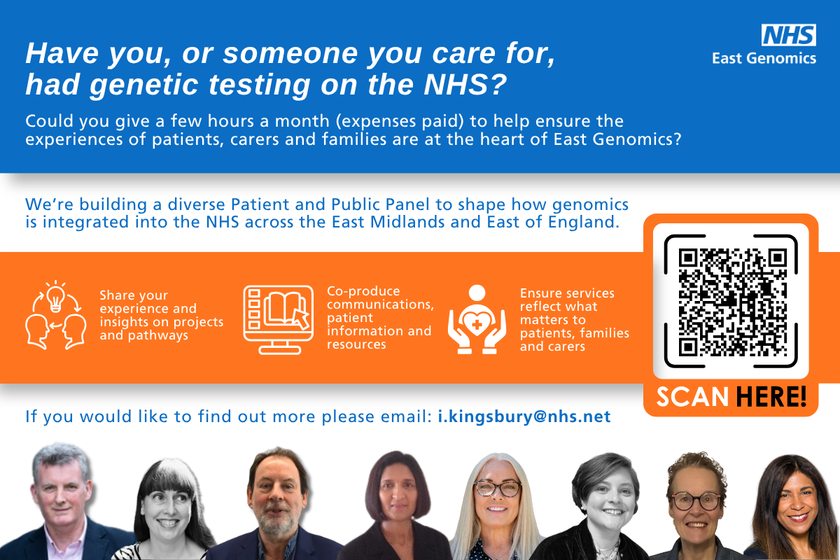
East Genomics Patient Panel flyer

The response to our PPV Panel recruitment has been very encouraging, with lots of great applications received. On this page we are pleased to introduce our 13 PPV Panel members, including our Chair Chris Hind.

What is the purpose of the PPV Panel?

The PPV Panel will develop projects and collaborate to:

  • Ensure patient, family and carer voices are heard at a senior levels within, and inform decision making across, East Genomics.
  • Hold open discussions about the challenges and opportunities for genomics in the region.
  • Reflect patient, family and carer experiences and priorities through review and input into East Genomics business planning and development of genomic services pathways in the NHS.
  • Consider and address barriers to equity of access and experience of services across the region.
  • Raise awareness of genomics and its potential impact amongst patients and the public, and share the experiences of people whose care involves genomics.

Meet our PPV Panel
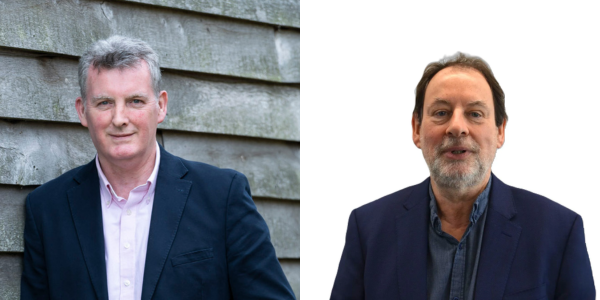
Chris Hind and Eddie Blair
Left: Chris Hind...Right: Eddie Blair
Chris Hind and Eddie Blair

Chris Hind is our PPV Panel Chair. He was on the Norfolk and Waveney patient panel for two years, is a Governor of the Norfolk and Norwich University Hospital, and sits on the Audit committee, Digital Transformation and Clinical Informatics boards. Chris is also on the Electronic Patient Records (EPR) project board for Norfolk.

Having been diagnosed with Genetic Haemochromatosis in 2018 Chris has a strong interest in genetic testing and research for all rare conditions and believes in a strong patient voice. He has experience in marketing, patient engagement, and PR and media.

Eddie Blair is our PPV Panel Vice-Chair. A molecular virologist by training, Eddie has worked in infectious disease, oncology, liver disease and neurodegenerative disease. He has a strong interest in precision/personalised/stratified medicines through diagnostic testing, and a good understanding of pharmacogenetics (PGx) and pharmacogenomics (PGen), having run clinical trials incorporating PGx and PGen.

Eddie's has a specific interest in cancer (e.g. Lynch Syndrome, Prostate Cancer). He is a Board Trustee of the Quadram Institute in Norfolk, is a Steering Committee member for the UK Pharmacogenetics Network, and is an Assessor/Panellist for UK Research & Innovation.

Rebecca Middleton and Michele Banton
Left: Rebecca Middleton...Right: Michele Banton
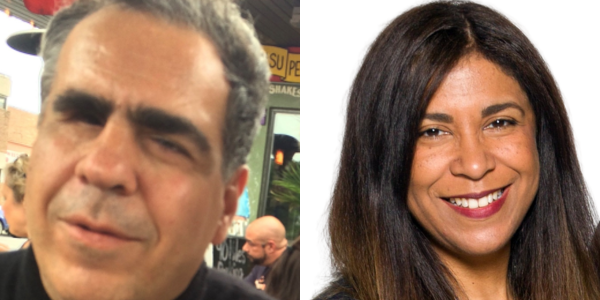
Rebecca and Michele

Rebecca Middleton is a former broadcast journalist with 20 years of experience and expertise in international PR, corporate and crisis communications. An experienced patient advocate, she is Vice-Chair of the Genomics England Participant Panel (opens in a new tab) as well as a 100,000 Genomes participant.

Rebecca has sat on the oversight committees for two major public dialogue programmes examining public attitudes to genetics in newborn screening. Today she sits on the steering group of the Newborn Genomes Programme (opens in a new tab), a co-designed and NHS-embedded research study. Here Rebecca chairs a working group for the study which is looking at recruitment, branding, communication and dialogue with expectant parents and their families.

She is the Founder and CEO of Hereditary Brain Aneurysm Support (opens in a new tab), a patient-focused, not-for-profit rare disease organisation. HBA Support is a proud member of the Genetic Alliance, Gene People, Eurodis and Neurological Alliance.

Michele Banton has experience in engaging black and minority ethnic communities, with particular connections to the Nottingham voluntary sector. She has involvement in setting up and managing new and innovative services, e.g. the Beyond Diagnosis project in partnership with Macmillan.

She has also helped to develop new models and pathways, including working within local Integrated Care teams on reducing emergency hospital admissions. She also has experience in health promotion and communication, notably a two year project to increase uptake of bowel screening.

Michelle brings expertise in staff and project management, as well as training and development and delivery.

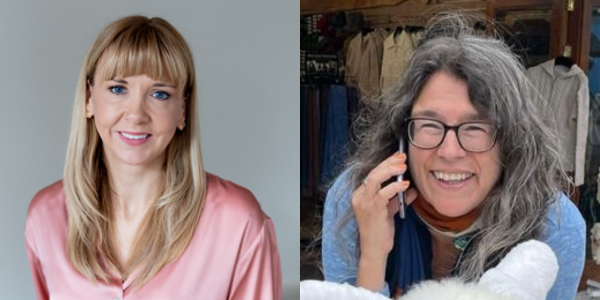
Left: Steve Tyler...Right: Loretta MacInnes
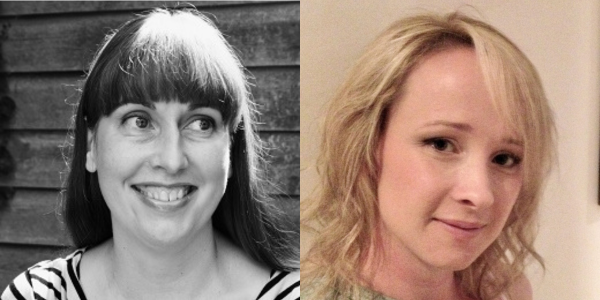
Steve and Loretta

Steve Tyler a leader in the field of accessibility, particularly delivering innovation and solutions that bring about accessibility to people with disabilities to mainstream products. He is Director of Assistive Technology at Leonard Cheshire (opens in a new tab) where he has responsibility for policy, support and implementation of assistive technology solutions, services and innovations inside and outside of the organisation.

He has influenced web standards, app development standards, has been influential at global electronics regulatory mechanisms, works on policy and legal issues around disability and accessibility, and, as a person with a visual impairment, is an advocate in his own right.

Steve collaborates with key players in the technology market as part of the Google Accessibility Strategy Board, the Microsoft accessibility steering group, and as a programme lead for the annual M-Enabling Summit held in Washington DC.

Loretta MacInnes is a rare disease patient and parent, with lived experience of genetic testing, teenage to adult health transition, and the lack of support for young adults, particularly around mental health.

She has worked across private and public sector partnerships producing change across digital health, technology-enabled care, and enterprise. Loretta was also the Communications Lead for the NHS England 3millionlives initiative.

Loretta now runs her own website (opens in a new tab) and blog advocating for families with Fabry and other rare diseases.

Vaila Morrison and Lauren Capacchione
Left: Vaila Morrison...Right: Lauren Capacchione
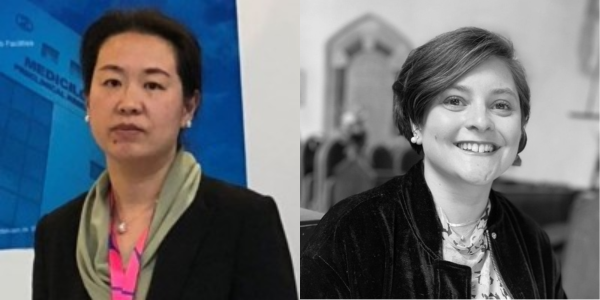
Vaila and Lauren

Vaila Morrison is an Architect/Inclusive Designer who also works in social media, graphic design and communications.

She is parent/carer of a child with an ultra rare condition (KAT6A Syndrome) who had a long diagnosis journey, finally getting a genetic diagnosis via the DDD Study (opens in a new tab). Through this Vaila has experienced the challenges of navigating services from a Learning Disability/neurodiverse perspective as well as physical access.

Vaila brings to the panel experience of community consultation in her various guises (architectural, community projects, rare disease). She is part of the Cambridge Rare Disease Network (opens in a new tab) (and a member of their Unique Feet Community group, for which she does freelance social media and communications work).

Vaila and her family have been members of Syndromes Without A Name (SWAN) UK (opens in a new tab)for the past 10 years, and she is also a member of Cambridge Children’s Hospital's Children’s Network (opens in a new tab).

East GMSA Working Group Membership: Medical and Rare Disease, Nursing and Midwifery, Communication and PPI.

Lauren Capacchione has experience of genomic testing for her daughter. Lauren previously worked as the East Genomics Feto Maternal Senior Midwifery Project Lead, and her current role is Regional Results Coordinator for the Generation Study in the East region.

Nadine Su and Fiona Gosden
Left: Nadine Su...Right: Fiona Gosden
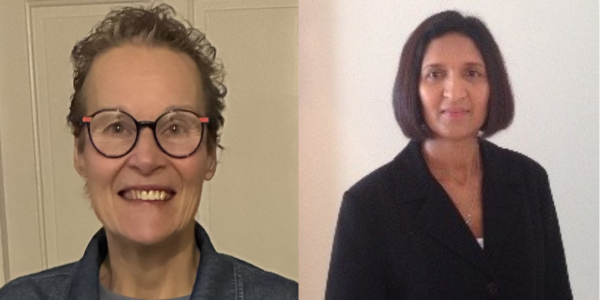
Nadine and Fiona

Nadine Su underwent genomic testing as part of the University of Cambridge’s personalised breast cancer programme.

She has a particular interest in raising awareness and representation of ethnic minorities in genomic research and diagnostics, and advocating for improved equity in access, testing, and outcomes across all communities.

Professionally, Nadine previously worked in novel drug discovery and biomedical research.

Fiona Gosden has previously undertaken research exploring the educational, social and emotional experiences of children with chronic illness from the child’s perspective.

Fiona has a particular interest in family planning and parenting choices for women undergoing treatments for rare diseases. She has lived experience of rare disease and clinical trials.

Currently Fiona sits on the Patient & Public Involvement Advisory Group at Great Ormond Street Hospital, which provides oversight and input into equitable prenatal genomics research at GOSH and the University College London (UCL) Institute of Child Health to ensure that patient and public voice are central to prenatal genomic research.

Fiona also has leadership experience in small to medium-sized VCSE organisations and she is a member of the Norfolk & Waveney Bereavement Forum, the Norfolk & Waveney fetal medicine/midwifery network and is a member of the MaternAble Committee (Labour MP Marie Tidball's campaign to improve safety and inclusivity in maternity care for disabled women).

Yolanda Wilcock and Serrita McAuley
Left: Yolanda Wilcock...Right: Serrita McAuley
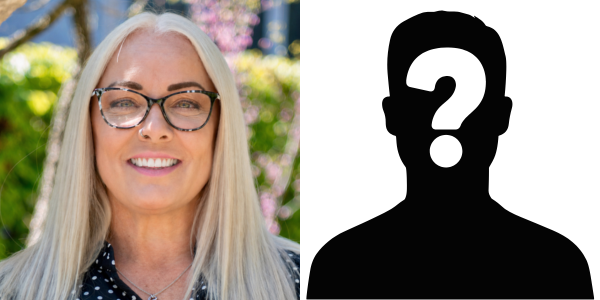
Yolanda and Serrita

After retiring from a global corporate career in marketing and market intelligence, Yolanda Wilcock was diagnosed with bowel cancer and subsequently found to be mismatch repair deficient. Subsequent genetic testing diagnosed Yolanda as 'Lynch Like'.

She is passionate about the use of genetic testing and immunotherapy to transform the lives of patients.

Serrita McAuley grew up in Mumbai and graduated from the University of Bombay with a degree in electronic engineering. A Commonwealth scholarship allowed her to study at Surrey University where she obtained her Masters and PhD degrees. Through her studies and work in the semiconductor industry she has published several papers.

Serrita has a personal interest in genomic testing due to her child's medical conditions and would like to give something back to the community through her involvement with our PPV panel.

Victoria Wilson
Left: Victoria Wilson...Right: Could you be our next Panel Member?
Victoria Wilson

Victoria Wilson underwent genetic testing through her involvement with the Inflammatory Bowel Disease (IBD) BioResource (opens in a new tab), which returned a diagnosis of Lynch Syndrome.

Ever since Victoria received her Lynch Syndrome diagnosis, she has been driven to share her journey with others. Through engaging constructively and supporting wider awareness of genomic testing, Victoria hopes she can help others to access genomic testing that could benefit them.

Victoria also has experience of rare genetic conditions through her daughter, who has a rare condition.

  • Do you have experience of genomic/genetic testing?
  • Are you interested in finding our more about our PPV Panel?

Get in touch using the contact details below or take a look at our PPV application pack at the top of the page!

About us

NHS East Genomics has been set up to ensure all eligible patients across the East Midlands and East of England can access and benefit from appropriate genomic tests when required, providing high-quality and personalised treatment.

East Genomics will ensure there is equal access to the nationally commissioned genomic tests set out in the National Genomics Test Directory (opens in a new tab), no matter where people live or which hospital they use, supporting the establishment of testing pathways for cancer and rare diseases, assisting clinicians in requesting genomic tests and introducing new models of care that support early access to genomic testing.

East Genomics is led by a Partnership Board representative of the four NHS Trust partners that have direct responsibility for delivering the service.

  • Cambridge University Hospitals NHS Foundation Trust
  • Nottingham University Hospitals NHS Trust
  • University Hospitals of Leicester NHS Trust
  • Norfolk and Norwich University Hospitals NHS Foundation Trust.

Working closely with with healthcare professionals, networks, alliances, academia and patients and public representatives across the East Midlands and East of England, East Genomics will bring together the vital multi-disciplinary clinical leadership and other operational and digital functions that are necessary to embed genomic medicine into mainstream clinical care.