
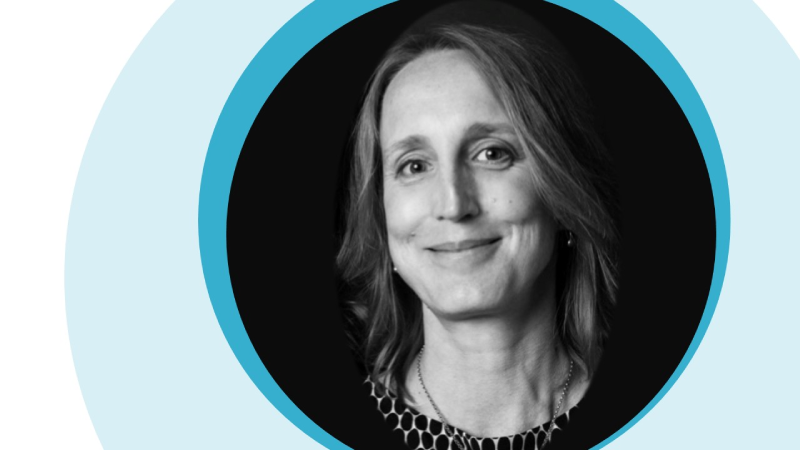
Almost 30 years after starting her career as a trainee molecular geneticist, our inherited cancer team lead, Kim Oakhill is retiring. We asked her to reflect on her career and the huge changes in the field of genetics during that time.
How did you first become interested in genetics?
I first became interested in genetics during my time at university. I initially went to the University of Sheffield to study biological sciences, but one of my very first modules was human genetics. I loved it and quickly realised this was the area I was most passionate about, and I changed my degree to genetics. Throughout my studies, I thoroughly enjoyed the course, and it was always the human genetics aspect that interested me the most.
Why did you specialise in inherited cancers, and what makes inherited cancer testing so important?
I worked across all areas of the department for 13 years before taking a break from the NHS to raise my family and run my own business.
Ten years later, I was looking to return to genetics and there was an opportunity to lead the inherited cancer team. Given my previous experience working in inherited cancer, I was very happy to get to take on the role.
Inherited cancer testing is vitally important because when a family carries a variant in a cancer-related gene, it’s important to be aware and know what it means. Frequently multiple members of the same family may develop cancer, often after they have had children themselves, meaning even more people are affected.
By identifying families with these genetic variants, patients can be offered regular screening to detect cancer at an earlier, more treatable stage. They might even be able to have preventative surgery, which can significantly reduce risk and ultimately save lives.
What would you like everyone to know about inherited cancer risk?
Not all cancer is inherited. However, if you’re diagnosed with cancer, it’s important to inform your oncology team about any family history so they can assess whether a referral to the clinical genetics team is appropriate for further information, support, and, where relevant, testing.
What do you think have been some of the biggest advances in genetics during your career?
I think the most significant advances have been the completion of the Human Genome Project in 2003, alongside the development in testing technologies from Sanger sequencing to next generation sequencing.
When I first started my career, genetic testing for families was very limited. It focused either on linkage to known genes, or screening for known variants/single exons in known genes.
For example, in families with multiple cases of breast cancer, this initially involved screening for just a few common founder variants, and then, in some cases, sequencing selected exons within the BRCA1 and BRCA2 genes individually. Now, with the completion of the human genome and next generation sequencing, we can analyse multiple genes simultaneously in a single test. This has made testing far more comprehensive, efficient, and informative for patients and their families.
How has the role of genetic testing in healthcare changed?
Genetic testing was previously a specialised and relatively limited field, primarily involving molecular genetic (DNA level) or cytogenetic (chromosome level) analysis. However, advances in technology have transformed this area into genomic testing, which is now a central component of modern clinical care. It encompasses a wide range of applications, including haematological malignancies, solid cancers, and pharmacogenetics. Genomic testing is now an integral part of healthcare, supporting not just diagnosis but also treatment decisions, and long-term prevention strategies.
What does access to genetic testing mean for patients?
Genetic testing is vitally important for patients. For example, in solid cancers, understanding the genetic makeup of a tumour can enable targeted treatments that are more effective for the right patients, rather than non-specific approaches.
More broadly, genetic testing can provide a definitive diagnosis, which helps guide treatment, inform screening strategies, and, for some families, support reproductive decision-making.
What achievements are you most proud of from your career in genetics?
Most recently, I received the Healthcare Science Award 2026 for Outstanding Impact on Patient Care, in recognition of work with the inherited cancer team to reduce testing backlogs and improve test turnaround times, meaning more patients got their results sooner.
How has progress in the field compared to your expectations?
Progress in genetic testing has been significant and, in many areas, has exceeded my expectations. It’s exciting to see how testing has evolved from a highly specialised service to becoming more integrated into routine clinical care.
The increasing volume of data and demand for testing is challenging to manage. Not all patients can be tested, and I would like to see testing become more widely available. There’s also more work to do to ensure patients are getting results fast enough to deliver maximum benefit for their care.
What do you think will be the next exciting development in genetic testing?
There are many exciting developments in genetic testing, but one that I think will have a particularly strong impact is the use of liquid biopsies to detect circulating tumour DNA. This has the potential not only to support cancer diagnosis but also to enable more effective and less invasive monitoring of treatment response.
More broadly, I think genomics is moving towards a more preventative model, with personalised screening allowing for earlier intervention. A good example of this is Generation Study, which involves sequencing the whole genomes of over 100,000 newborns to identify those that may have one of over 200 rare conditions at an early stage so treatment can begin sooner.
What advice would you give to someone starting their career as a clinical scientist in genetics now?
Genomics is a rapidly evolving and exciting field to begin a career in. I would advise staying up to date with developments and being adaptable, as the pace of change is significant.
Building strong professional networks early on is also really important, as is being open to learning from others. Don’t be afraid to ask questions or seek support, as that’s a key part of developing both confidence and competence in the role.
We’re grateful to Kim for all she had brought to the rare disease team over the years. In particular, she has made outstanding contributions to patient care and her leadership of the inherited cancer team led to great improvements in the service. It is entirely appropriate that she finished her time with us by winning a regional healthcare science award, reflecting the excellence she delivered throughout her career.
Isabelle Delon, Rare Disease Scientific Lead for East Genomics
Thank you Kim for all your excellent work over the years and for helping to train, inspire and motivate others who follow in your footsteps.